
Alar Base Reduction: Why Does the Nose Still Look Wide After Augmentation?
Many people invest in a beautifully raised nasal bridge yet still see a wide lower nose in the mirror, with nostrils that become prominent when smiling, leaving the overall face looking less harmonious. The quiet concern often lies not in the bridge, but in the overlooked width of the nostrils. This is precisely where alar base reduction comes into play as a refining step. The article below helps you correctly understand the nature of the issue before making a decision.
What Causes Wide Nostrils? The Anatomical Basis You Should Know
The nostril is formed by the skin, the alar cartilage (the lower lateral cartilage), and the alar base attaching to the upper jaw. Nostrils that appear large or flared usually arise from three groups of causes: a wide alar base (nasal floor) that increases the distance between the two sides; thick skin and soft tissue that make the nostrils look full; or nostrils that flare outward during expression. Identifying the correct cause is the basis for choosing a suitable approach, because each structural type calls for a different way of addressing it.
What Alar Base Reduction Is and the Surgical Approach
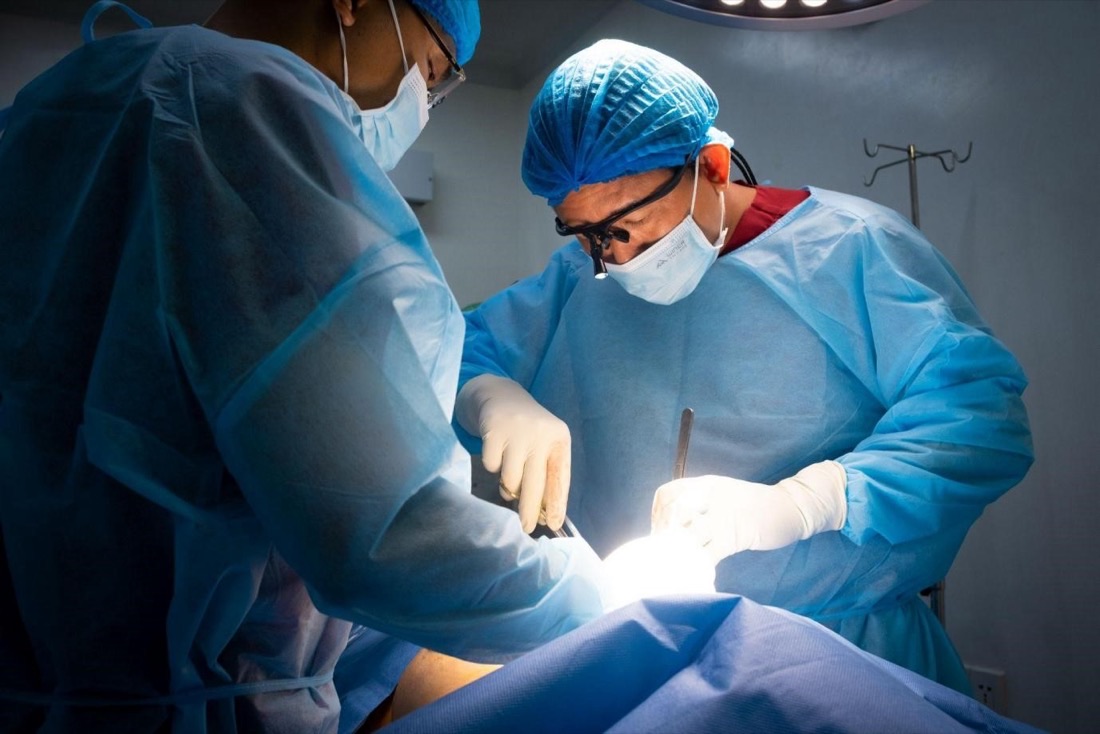
Alar base reduction is a reshaping procedure that adjusts the width of the nasal base and the degree of nostril flare, in order to bring the proportions of the lower nose into better balance with the bridge and the overall face. Depending on the structure, the surgeon may choose to remove tissue at the alar base groove (where the incision is usually hidden in the natural fold), narrow the nasal base with sutures passed beneath the skin, or combine both. The goal is to reduce width just enough while preserving a natural shape and the breathing function of the nose.
In many cases, alar base reduction does not stand alone but is combined within an overall rhinoplasty (bridge, tip, columella) to achieve harmony. This is why a direct examination is so important: two people who both have "wide nostrils" may have different underlying causes and therefore different treatment plans.
Benefits When the Nostrils Are Brought into Balanced Proportion
When the nasal base is appropriately narrowed, the face often looks more refined and harmonious, especially in profile and when smiling. For those who have previously had bridge augmentation, refining the nostrils helps the overall result become more cohesive rather than tall only at the bridge. Because the incision is placed in a concealed location, the scar usually fades over time with proper care. However, the degree of change and the speed of recovery vary by individual, and a single figure cannot be applied to everyone.
Common Misconceptions About Alar Base Reduction
Misconception: "The more you cut, the smaller and prettier the nose becomes." This is a notion that needs correcting. Over-resection can leave the nostrils abnormally narrow, affect breathing, cause tension, and leave a visible scar. Cosmetic reshaping done according to sound principles aims for balance with the overall face and preservation of function, not maximum reduction. A natural, durable result matters more than being "as small as possible."
Medical Considerations: Contraindications and Post-Operative Reactions
Not everyone is suitable for immediate intervention. Caution or postponement is advised for those with an active infection of the nose-face region, an uncontrolled clotting disorder, diabetes or other unstable underlying conditions, women who are pregnant or breastfeeding, or those with expectations that are not yet realistic. A history of keloid scarring should also be discussed carefully before deciding.
After the procedure, some reactions are normal and will gradually subside: swelling, mild bruising around the alar base, a feeling of tightness, and slight numbness in the treated area during the first few weeks. Patients should attend follow-up appointments on schedule, keep the incision clean, avoid impact, and follow the care instructions. If increasing pain, unusual discharge, fever, or signs of infection appear, contact the doctor promptly.
Factors Affecting Cost and the Principle of Transparency
The cost of a procedure is not fixed but depends on many factors: the condition of the nostril structure, the technique required, whether it is combined with an overall rhinoplasty, and the conditions of the facility performing it. The principle of transparency means you are clearly advised of the treatment plan and the related fees before you agree, with no ambiguous additional charges. For this reason, a specific figure should only be given after a direct examination.
Conclusion and Invitation to Consult
In summary, alar base reduction is a refining step with a clear anatomical basis, aiming for natural balance rather than maximum reduction. Results vary by individual and a direct examination is required to arrive at a suitable, safe treatment plan.
Dr. Vo Thanh Sang - Specialist Level I in Plastic and Aesthetic Surgery, with more than 15 years of experience and over 12,000 patients, Head of the Aesthetic Surgery Unit at World Wide Hospital (License 050864/HCM-CCHN). The doctor personally performs the examination, consultation, and surgery, carried out at a standard-compliant hospital (not a spa), with transparent costs.
Register for a free consultation and individual anatomy screening with the specialist at 244A Cong Quynh, District 1, Ho Chi Minh City. Hotline: 079 7479 222.