
Secondary Breast Augmentation: Why Old Implants Cannot Stay Forever
Many women carry a quiet concern they rarely voice: can breast implants placed years ago remain in place indefinitely? The medical reality is no. A breast implant is not a natural part of the body, and over time the body, the glandular tissue and the implant itself all change. A correct understanding of secondary breast augmentation helps you stay proactive rather than alarmed when the shape of the breast begins to "speak up".
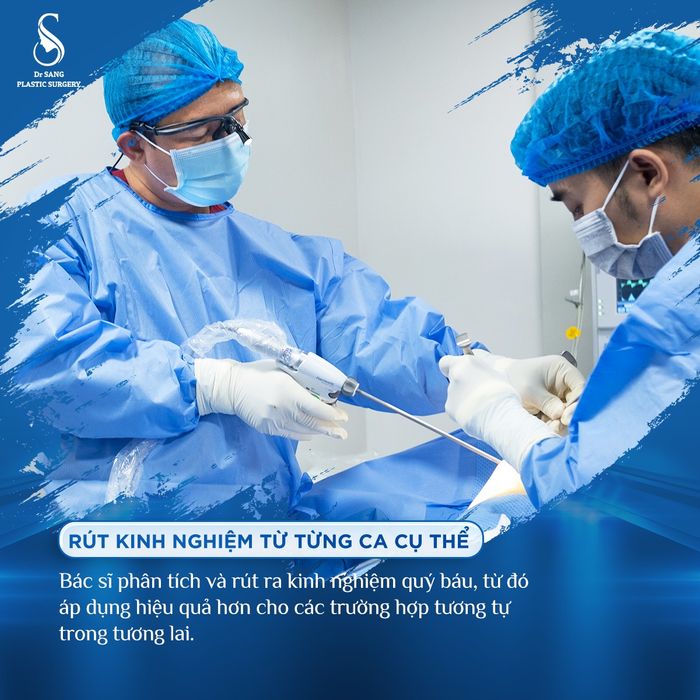
Why secondary breast augmentation is anticipated in medical practice
A breast implant is a medical device with a biological "lifespan", not an everlasting object. Reputable manufacturers and regulatory agencies all recommend periodic monitoring, because the implant shell, the fibrous capsule surrounding the implant and the breast glandular tissue are all affected by time, gravity, weight fluctuations, pregnancy and breastfeeding. As these factors accumulate, revision surgery, or secondary breast augmentation, becomes a reasonable step rather than a sign of a failed operation.
An important distinction: the first surgery addresses an "original" breast structure, whereas the second must work on tissue that has already been operated on, with capsular scarring and sometimes thinned glandular tissue. This is why secondary breast augmentation requires a more thorough assessment and a surgeon experienced in handling complex tissue.
Common situations that lead to an indication for secondary breast augmentation
On a scientific basis, several common groups of causes prompt a surgeon to consider re-intervention:
- Capsular contracture: the body forms a fibrous shell around the implant; when this layer thickens and contracts, the breast may become firm, distorted or painful.
- Implant deflation or gel leakage: with saline implants this appears as clear deflation; with newer cohesive gel implants, leakage can be silent and may require imaging to detect.
- Glandular tissue descent over time: as skin and ligaments stretch, the breast and implant descend together, leaving the breast shape no longer balanced.
- Changing aesthetic needs: a desire to change size, change implant type, or correct asymmetry between the two sides.
- Implant malposition, visible implant edges, or rippling: commonly seen in people with thin overlying soft tissue.
How the medical approach to secondary breast augmentation works
There is no single protocol that fits every case. Depending on the specific condition, the surgeon may combine several techniques: replacing the old implant with a more suitable new one, removing or treating the capsule (capsulectomy/capsulotomy), adjusting the implant pocket, or combining a lift when the glandular tissue has sagged. The choice of incision, implant plane and implant type is all based on a direct examination and each person's tissue characteristics.
At our unit, the implants used are genuine Mentor or Motiva products (the Ergonomix 2 line), which are FDA-approved, helping to optimize compatibility and the natural appearance of the breast shape. More important than the material is a surgical plan tailored to the individual, because the outcome of secondary breast augmentation depends heavily on the existing tissue foundation and the individual's healing response.
Practical benefits of acting on revision at the right time
Proactively seeking examination and intervening when indicated brings clear benefits: restoring a balanced breast shape, improving a soft and natural feel, addressing changes in the capsule early before they cause discomfort, and creating an opportunity to upgrade to an implant type that better suits current wishes. For many women, this is also a chance to restore confidence after changes brought by pregnancy or weight. It should be emphasized that results vary by individual and can only be determined after a direct examination by the doctor.
Dispelling a common misconception
Many people believe that "once you have had a breast augmentation, the implant will stay there for life and never need to be touched again". This is a mistaken notion. An implant is a medical device with a time-limited life, and periodic monitoring along with the possibility of revision is something anticipated from the very beginning in the medical literature. Secondary breast augmentation does not mean the first operation failed; it is often the body's natural response to an implanted material over many years. Understanding this correctly helps you make decisions with reason rather than fear.
Important medical considerations before deciding
Secondary breast augmentation is surgery, so contraindications must be considered and post-operative reactions clearly understood. Surgery is often deferred or not performed in cases such as: an active infection, an inadequately controlled medical condition (cardiovascular disease, diabetes, bleeding disorders), pregnancy or breastfeeding, an undiagnosed breast lump, or unrealistic aesthetic expectations. People with a history of keloid scarring or heavy smoking also require individual assessment because of the effect on the healing process.
After surgery, certain reactions are normal and will gradually subside: swelling, bruising, a feeling of tightness in the breast, pain with arm movement, and temporary changes in sensation around the nipple area. Conversely, signs that warrant contacting the doctor immediately include high fever, rapidly increasing swelling, warmth and redness on one side, abnormal discharge, or severe pain that does not improve. Adhering to follow-up visits and wearing the support garment as instructed plays a key role.
Factors affecting cost and our commitment to transparency
The cost of a revision case is not fixed but depends on many factors: the complexity of the tissue and capsule, the type of implant chosen, the combined techniques required, as well as the specific condition of the previous surgery. For this reason, a figure is only meaningful after a direct examination. Our principle is complete transparency: each item is clearly explained to you before you decide, with no hidden ambiguity.
Conclusion and an invitation to be examined
Secondary breast augmentation is an anticipated part of the breast reshaping journey, not something to be ashamed of or a sign of failure. The right decision always begins with understanding your own body through a specialist examination, rather than comparing yourself with others online. Each breast has its own structure, surgical history and healing pace.
If you are wondering about implants placed many years ago, please register for a free consultation and individual assessment with a specialist doctor. The doctor will personally examine, evaluate and explain the option suited to you.
Dr. Vo Thanh Sang, Specialist Level I — Specialist Level I in Aesthetic Plastic Surgery, with more than 15 years of experience, having accompanied more than 12,000 patients. Head of the Aesthetic Surgery Unit at World Wide Hospital. The doctor personally examines, consults and operates in an accredited hospital environment (not a spa).
Address: 244A Cong Quynh, District 1, Ho Chi Minh City. Hotline: 079 7479 222.