
Aesthetic Rhinoplasty: Higher Is Not Always More Beautiful
Every week, my clinic receives cases that come in because of complications after rhinoplasty: a shiny, reddened nasal tip, an implant showing through the skin, even threatened perforation of the tip skin. Most of them had been advised that "the higher the bridge, the more refined the look." This is one of the most dangerous misconceptions in this field. Aesthetic rhinoplasty is not a race for height; it is a balancing problem between facial proportions, skin thickness and the biological limits of your own body. Misunderstand this, and the price paid is not only money but the very structure of your nose.
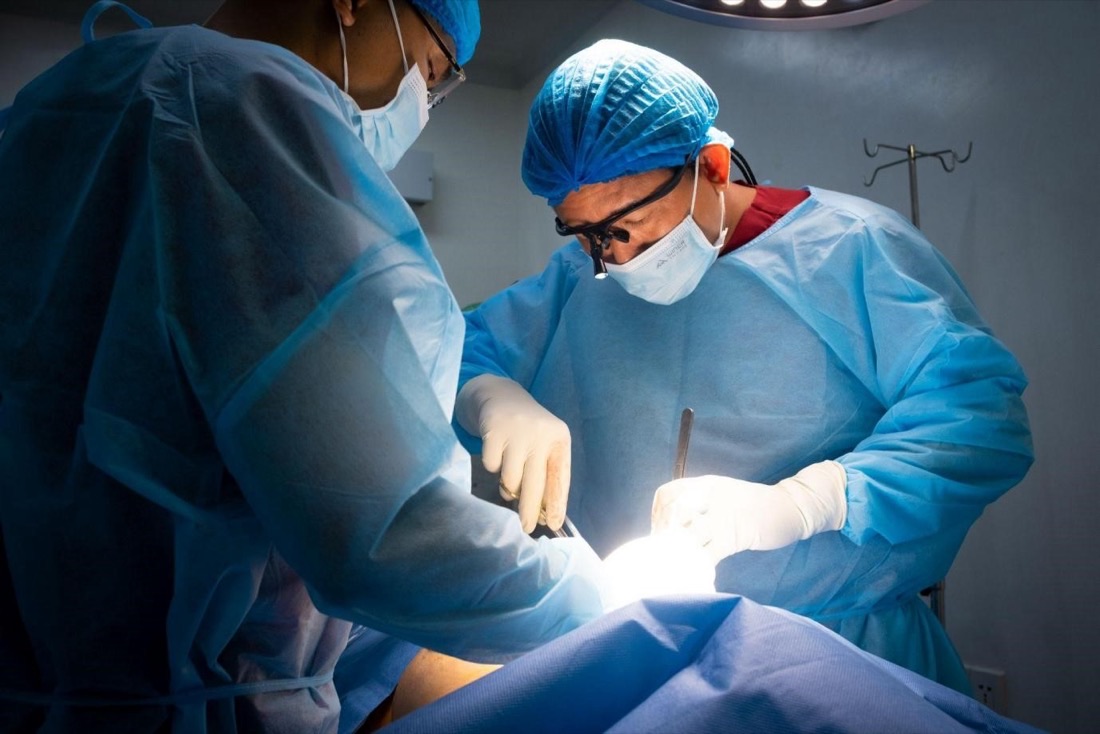
The scientific mechanism of aesthetic rhinoplasty
In essence, aesthetic rhinoplasty is the process of reshaping the nasal pyramid by building a supporting foundation and adjusting the bridge and tip so they harmonize with the overall face. The materials used may be autologous cartilage (septal cartilage, ear cartilage, rib cartilage), synthetic material, or a combination of both, depending on the nasal structure and the wishes of each individual.
Autologous cartilage has the advantage of high biological compatibility and is often preferred for the nasal tip and the areas in direct contact with the skin, in order to reduce the risk of implant show-through and shine. Synthetic material helps create stable bridge height. The key point is not about using which material is "the best" in an absolute sense, but about choosing the right material for the right location and the right physiology for you.
Why structural rhinoplasty is highly regarded
Structural rhinoplasty is a technique that rebuilds the entire supporting cartilage foundation of the nose, creating a sturdy framework instead of simply placing an implant on top of the bridge. When the cartilage foundation is built correctly, the nasal shape has a biological support point to maintain stability over time, and the tip is supported by compatible tissue rather than placing pressure on the skin.
This is why a structural approach to aesthetic rhinoplasty is often suitable for cases with a low bridge, thin tip skin, or a history of previous surgery. However, whether the technique suits you also depends on your individual physiology and must be based on a direct examination; it cannot be concluded from images online.
A beautiful nose is determined by proportion, not height
A nasal shape is considered harmonious when it is balanced with the forehead, cheekbones, chin and the overall contours of the face. The reconstructive surgeon works on the basis of anatomical proportions, the nasofrontal angle and the nasolabial angle, not on a figure of "how many millimeters high." A nose raised beyond the limit the skin allows will break this balance and place mechanical pressure on the soft tissue.
The real benefit of a properly calculated aesthetic rhinoplasty is a nose that looks natural, blends with the face, and, most importantly, is safe over the long term for the skin of the nasal tip. Lasting beauty always lies in the right fit, not in display.
Debunking the myth: "the higher, the more beautiful"
This is the notion I most want to clearly correct. The tip skin of East Asian individuals is often thin and has a limited capacity to stretch. When you try to push the bridge up too high relative to what the skin can tolerate, the consequences are almost predictable:
- Reddened, shiny tip: the skin is stretched thin, blood vessels show through, creating an unsightly reddish area.
- Visible bridge and implant: the outline of the material shows under the skin, making the nose look fake and stiff.
- Risk of tip skin perforation: this is a severe complication, when prolonged pressure causes necrosis and thins the skin to the point of tearing.
A responsible aesthetic rhinoplasty must respect the biological limits of the skin. A good doctor is one who knows when to stop, not one who indulges a patient's request to go "as high as possible."
Medical notes: contraindications and normal side effects
To protect your health, there are situations that require careful consideration or postponing surgery. This is honest information that any specialist must make clear:
- Active rhinosinusitis: this needs to be treated and stabilized before any intervention.
- Skin that is too thin: this increases the risk of a visible bridge and a reddened, shiny tip, requiring a separate, cautious plan.
- A tendency toward keloid scarring: this affects the healing process and needs to be assessed beforehand.
- An ongoing infection: this is a contraindication until it has been fully treated.
In addition, certain side effects are normal and will subside on their own: swelling around the nasal tip and bruising around the eyes in the first few weeks. The degree and duration of recovery vary by individual and need to be monitored through follow-up visits. Any promise of "no swelling, no pain" is a sign of dishonesty that you should be wary of.
Why you should have it done at a hospital with a specialist
Reconstructive surgery of the nasal pyramid is a genuine medical intervention that requires a properly standardized sterile environment and a well-trained doctor. Having it done at a facility meeting hospital standards, not a spa, helps control infection and respond promptly if any situation arises. A transparent cost process also helps you avoid the "traps" of hidden charges that are common in this industry.
Conclusion: choosing correctly matters more than choosing high
A successful aesthetic rhinoplasty is a combination of a stable cartilage foundation, harmonious proportions and respect for the biological limits of the skin. Do not let the misconception that "higher is more beautiful" lead you to regrettable complications. Begin by correctly understanding your own physiology.
I am Dr. Vo Thanh Sang, Specialist Level I, Specialist Level I in Plastic and Aesthetic Surgery, with more than 15 years of experience and having accompanied more than 12,000 patients, currently Head of the Plastic and Aesthetic Surgery Unit at World Wide Hospital. I personally examine, advise and operate for each patient at a standard-compliant hospital, with transparent costs. I invite you to a free physiology screening with a specialist to have your skin thickness, nasal structure and the plan most suitable for you assessed. Contact our Hotline 079 7479 222 or come directly to 244A Cong Quynh, District 1, Ho Chi Minh City. Practice license 050864/HCM-CCHN.