Rhinoplasty for Men: Why the Nasal Shape Cannot Be the Same as Women's
Many men hesitate to step into an aesthetic clinic because of a quiet concern: the fear that the nose after surgery will look "soft" and feminine, making the intervention obvious. This is a legitimate concern, because the anatomical structure and aesthetics of the male face differ markedly from those of women. Understanding this correctly is the first step toward a masculine, harmonious and natural nasal shape.
Why does rhinoplasty for men differ from women anatomically?
From a scientific standpoint, the male nose typically has a higher, straighter dorsum, thicker skin, and a more robust cartilage and bony framework. The ideal nasolabial angle in men is around 90–95 degrees, whereas in women it is usually slightly more upturned. Applying the same shaping approach used for women tends to produce a result that lacks masculine balance.
For this reason, rhinoplasty for men aims to build a straight dorsum, a tip that is not overly pointed, and to limit soft, rounded curves. The thicker skin of the male nose also calls for meticulous soft-tissue handling so that the contours appear crisp yet natural. Specific outcomes still vary by individual and require a direct examination.
Common rhinoplasty methods for men today
Depending on the condition of the nose and the patient's goals, the surgeon may recommend one of the following approaches:
- Cartilage-wrapped rhinoplasty: an implant material is used to raise the dorsum, combined with autologous cartilage (usually harvested from the ear) to wrap the tip, reducing the risk of redness and implant visibility.
- Structural rhinoplasty: rebuilds the entire columella, septum and tip using autologous cartilage and suitable materials; appropriate for low, deviated or previously operated noses.
- Combined contouring: for men with a dorsal hump or deviation, the surgeon may combine treatment of the bony–cartilaginous structure to achieve a straight, masculine shape.
The choice of material (autologous cartilage, biological cartilage or synthetic material) should be based on the examination, skin thickness and the patient's healing tendency. There is no single "best" method for everyone.
The real benefits of properly performed rhinoplasty for men
A balanced nasal shape can improve the overall harmony of a man's face, making the features appear more refined and defined. In cases that also involve a deviated septum, proper correction may additionally support better airflow through the nose.
More important than aesthetics is confidence in communication and at work. However, the degree of change and the time needed for the nasal shape to stabilise depend on individual constitution, post-operative care and the surgeon's skill. This is why a direct examination cannot be skipped.
What steps does a safe rhinoplasty procedure for men involve?
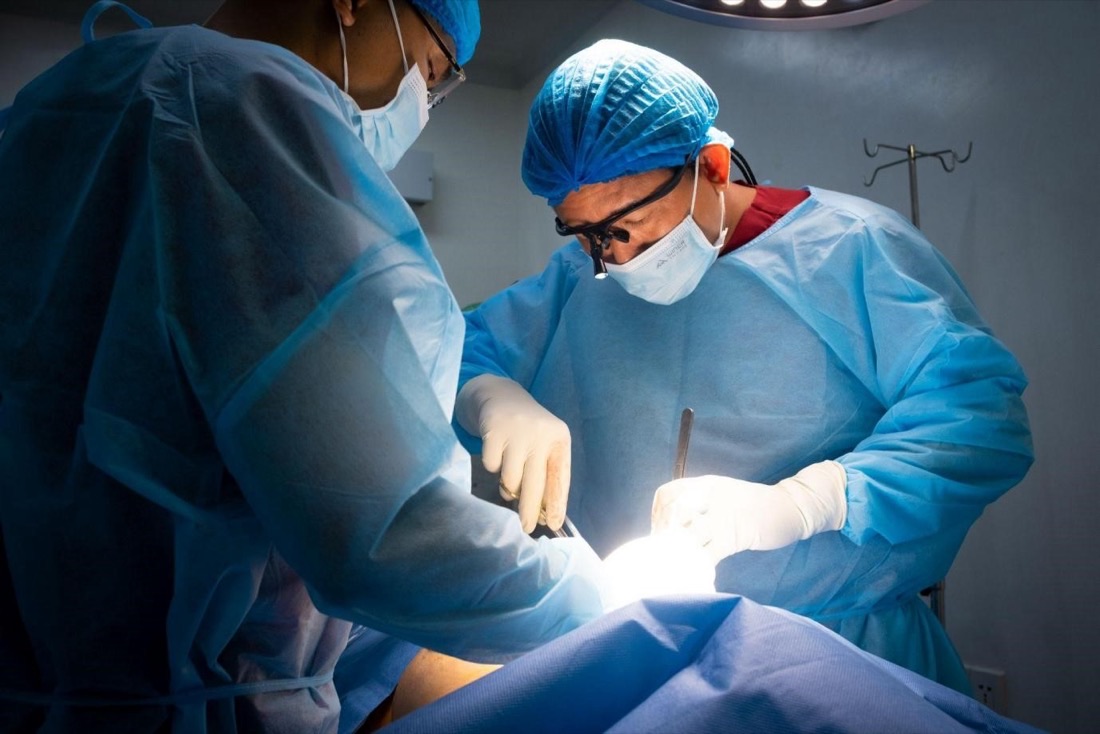
A well-structured procedure at a properly accredited medical facility usually includes: examination and individual suitability screening, imaging to assess the nasal structure, pre-operative tests, local or general anaesthesia as indicated, surgery and post-operative monitoring. The surgeon will clearly discuss the intended nasal shape, the materials and the limitations of each individual constitution.
The decisive factor for safety lies not in advertising, but in who directly examines and performs the surgery, together with the sterile conditions of the facility. This is the fundamental difference between a hospital or specialist clinic and facilities that do not meet medical requirements.
What factors does the cost of rhinoplasty for men depend on?
Rather than a fixed figure, the cost is shaped by many factors: the intervention method (cartilage-wrapped or structural), the type of material used, the complexity of the nose (a native nose or a revision), as well as the surgeon's skill and the conditions of the medical facility. A transparent quote, with each item clearly explained, is always more trustworthy than unusually cheap offers.
Understanding correctly — avoiding common misconceptions
Many people believe that "the higher, the more beautiful." In reality, a dorsum that is too high relative to the skin base and bony structure increases pressure on the tissue, which can lead to a risk of redness, implant visibility or deformity over time. For men, a moderate, straight dorsum that is balanced with the face is the criterion for lasting aesthetics — not maximum height.
Medical notes: contraindications and normal side effects
Surgery is unsuitable or should be postponed in certain cases:
- An active infection of the nasal–facial area, acute sinusitis, or severe inflammatory acne at the surgical site.
- Coagulation disorders, uncontrolled diabetes, or severe cardiovascular disease.
- Use of anticoagulant medication; individuals prone to keloid scarring should be carefully evaluated.
- Unrealistic expectations or psychological unreadiness.
After surgery, some reactions are considered normal during the recovery period: swelling, bruising around the nose and eyes, a feeling of tightness, and mild numbness at the tip. These manifestations usually subside over time. However, if swelling and pain increase abnormally, or if there is fever, discharge or signs of infection, contact the surgeon immediately. All results and the course of recovery vary by individual and should be monitored directly by the surgeon.
Conclusion and invitation to consult
Rhinoplasty for men is an intervention that requires an understanding of male anatomy, a sensible choice of materials and the hands of an experienced surgeon. For men, a beautiful nasal shape is one that is straight, masculine and harmonious with the overall face, performed safely at an accredited facility. The right decision always begins with a direct examination, where your individual constitution is carefully evaluated.
Dr. Vo Thanh Sang — Specialist Level I in Plastic and Aesthetic Surgery, with over 15 years of experience and more than 12,000 clients, Head of the Aesthetic Surgery Unit at World Wide Hospital (License 050864/HCM-CCHN). The doctor personally examines, consults and operates at an accredited hospital (not a spa), with transparent pricing and genuine, quality-controlled implants/materials (Mentor/Motiva Ergonomix 2 breast implants with FDA certification).
Please register for a consultation and complimentary individual suitability screening with a specialist surgeon to have a nasal shape suited specifically to you assessed. Address: 244A Cong Quynh, District 1, Ho Chi Minh City — Hotline: 079 7479 222. Results vary by individual; please consult directly.