
Structural Rhinoplasty: Why Is the Nasal Shape More Durable Than Cartilage-Wrapped Rhinoplasty?
Are you worried because you have seen too many cases of noses turning shiny and red, with implant show, the nasal tip thinning over time until the skin perforates? Or have you heard promises of a shape that "stays beautiful forever," only to see the nose become deformed a few years later? Those fears are not unfounded. Most problems stem from choosing the wrong technique and placing trust in the wrong place. This article will help you understand the true nature of structural rhinoplasty from a medical perspective, so you can decide based on knowledge rather than on advertising.
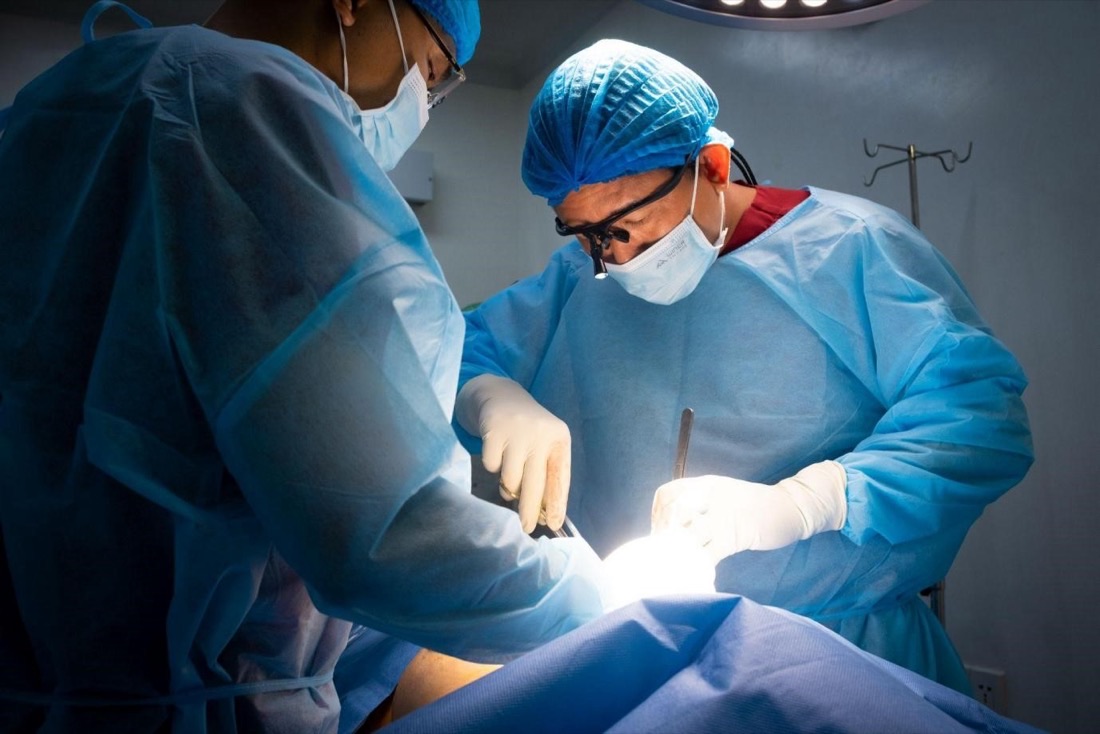
What structural rhinoplasty is from an anatomical perspective
Structural rhinoplasty is a technique that rebuilds the entire supporting framework of the nose: from the bridge and the columella through to the tip, instead of merely placing an implant on top. Our nose is not a solid block but a "structure" of bone, cartilage, and soft tissue working together. When intervening, the scientific principle is to respect and reinforce that very structure, rather than adding more burden to the inherently delicate skin of the nasal tip.
The core of the method lies in the surgeon using autologous cartilage (taken from your own body, such as septal cartilage, ear cartilage, or rib cartilage) to build the support column and to wrap the nasal tip. This cartilage is biologically compatible with your body, reduces rejection reactions, and creates a solid foundation for the new nasal shape.
The core difference between structural rhinoplasty and cartilage-wrapped rhinoplasty
This is what most people confuse. Cartilage-wrapped rhinoplasty usually places only an artificial dorsal implant and uses a small piece of cartilage to cover the tip. This approach suits some cases with thick skin, a good nasal foundation, and a desire for a modest augmentation. However, because it does not rebuild the supporting column, over time gravity and tissue contraction may cause the tip to droop, the implant to show, or the skin to turn shiny and red.
In contrast, structural rhinoplasty addresses the problem at its root. The surgeon builds a supporting column at the tip with autologous cartilage, helping to distribute the load and hold the shape more stably. The bridge may incorporate implant material in the upper region, but the entire tip area (where the skin is thinnest and most vulnerable) is protected by your own living tissue. As a result, the nasal shape tends to be more durable and natural over the years.
Why autologous cartilage delivers durability and a natural result
The body recognizes autologous cartilage as a part of itself. This brings three clear medical benefits. First, its high compatibility helps reduce the risk of inflammatory or rejection reactions compared with placing foreign material directly into a sensitive area. Second, living cartilage has an elasticity close to that of natural nasal tissue, so when you touch the tip it feels soft rather than stiff. Third, a solid cartilage column resists the contraction of the capsule, helping to maintain the shape over a longer period.
Because of these characteristics, structural rhinoplasty is often considered for difficult cases: noses that have had failed surgery and need revision, short upturned tips, thin nasal skin, or people who want a marked change in nasal shape while still keeping harmony with the face. It must be emphasized that results vary by individual and that only a direct examination can determine the appropriate indication.
The procedure and the factors that determine the outcome
A properly performed case always begins with an examination: assessing skin thickness, the quality of the septal cartilage, the bone structure, and your aesthetic goals. Only then does the surgeon plan where to harvest cartilage, how to build the column, and what material to combine for the bridge. The surgery is performed in a sterile environment with proper anesthesia monitoring and recovery care.
The outcome of a rhinoplasty depends on many factors: the surgeon's skill and experience, the quality of your cartilage, your skin thickness, your post-operative care, and your healing tendency. These are also the factors that influence the cost. Rather than comparing figures, prioritize transparency about the procedure, the materials, and the person who actually holds the scalpel.
Debunking common misconceptions about structural rhinoplasty
The most harmful misconception is that "the nasal shape will stay beautiful forever and never need to be touched again." It is true that the autologous cartilage framework makes the nasal shape considerably more durable, but no method is immune to time, aging, and changes in body tissue. Another misconception is that "using rib cartilage is always the most beautiful choice." In reality, which type of cartilage is suitable depends on each person's nasal structure; septal or ear cartilage may be the optimal choice in many cases. Medicine has no single formula for every face, only solutions personalized after examination.
Medical notes: who should consider it and what side effects are normal
Some cases are advised against surgery or should postpone it: people with uncontrolled underlying conditions (cardiovascular disease, diabetes, clotting disorders), women who are pregnant or breastfeeding, people with an acute nasal or sinus infection, people with a strong tendency to keloid scarring, and people with unrealistic expectations. Screening for these factors must be carried out by a specialist before any decision is made.
After surgery, some reactions are normal and will gradually subside: swelling, bruising around the nose and eyes, a feeling of tightness, and mild numbness at the tip during the first few weeks. However, if you experience increasing pain, fever, abnormal discharge, or a tight, shiny, reddened area of skin that spreads, you should contact your doctor immediately. Following the care instructions and attending follow-up visits on schedule are an inseparable part of a safe outcome.
A closing note from the doctor
Correctly understanding the true nature of structural rhinoplasty is the first step in protecting yourself from unnecessary risks. A durable, natural nasal shape does not come from promises, but from a solid anatomical foundation, suitable materials, and the hands of a properly trained professional. To reiterate, all results vary by individual and must be assessed through a direct examination.
If you are still unsure whether your nasal structure is suitable for this method, please register for a free consultation and constitution screening with a specialist. The person who personally examines, advises, and operates on you is Dr. Vo Thanh Sang, Level-I Specialist — Level-I Specialist in Aesthetic Plastic Surgery, with more than 15 years of experience, Head of the Aesthetic Surgery Unit at World Wide Hospital. Performed at a standard-compliant hospital, not a spa, with transparent costs from the very start.
Address: 244A Cong Quynh, District 1, Ho Chi Minh City. Booking hotline: 079 7479 222.