
Inner Thigh Liposuction: Why Is This Area the Hardest to Slim Down?
You diet diligently, do squats faithfully for months on end, your waist and arms have slimmed down, yet your inner thighs still rub against each other with every step and still make fitted trousers a source of frustration. That sense of helplessness is not because you have not tried hard enough. It comes from a biological characteristic that very few people have ever had explained to them correctly. This article will clarify that mechanism, and why inner thigh liposuction is regarded as a reasonable medical option once exercise has reached its limit.
The Scientific Basis: Why Inner Thigh Fat Is So Stubborn
Adipose tissue in the body does not respond uniformly to weight loss. Fat cells in the inner thigh region in women have a higher density of alpha-2 adrenergic receptors, which are receptors that inhibit the process of fat breakdown. At the same time, this is a fat region influenced by the hormone estrogen, with a tendency to store reserves in preparation for pregnancy and breastfeeding. That is why, even when you lose weight throughout the body, the inner thigh region is often the last area to respond, and sometimes barely changes at all.
More importantly, fat reduction through exercise occurs via a whole-body mechanism; it is not possible to "spot-burn fat" the way many advertisements suggest. You cannot instruct your body to draw energy specifically from the inner thighs. This is precisely the gap that a surgical intervention can address selectively.
What Inner Thigh Liposuction Is and What It Addresses
Inner thigh liposuction is a body-contouring surgical procedure that uses a small-diameter cannula introduced through discreet incisions to remove the localized layer of subcutaneous fat on the inner surface of the thigh. The goal is not weight loss, but rather reshaping the contour: creating a natural gap between the two thighs and reducing the chafing that causes discomfort during movement.
A point that should be understood correctly from a medical standpoint: liposuction removes fat cells in the treated area, and the number of mature fat cells in adults does not regenerate substantially. However, this does not mean the result is permanently fixed; if you gain a significant amount of weight afterward, the remaining fat cells can still enlarge. For this reason, maintaining a healthy lifestyle after the procedure is the decisive factor in how long the thigh contour lasts.
The Hospital-Based Process and the Benefits of Proper Standards
A safe inner thigh liposuction case begins with an in-person examination: assessing the thickness of the fat tissue, skin elasticity, weight stability and medical history. The inner thigh has thinner, less elastic skin than other areas, so a thorough pre-operative evaluation helps avoid skin laxity after the procedure.
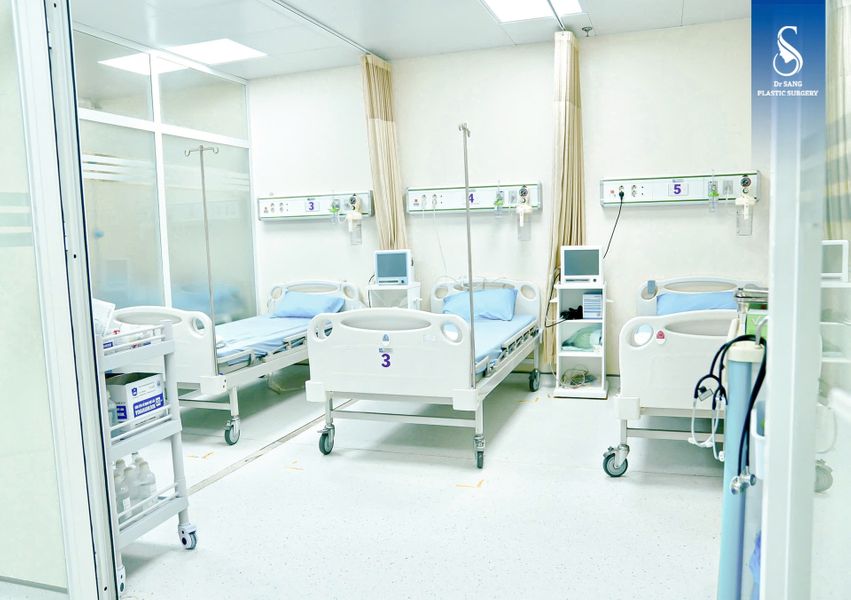
Performing the procedure in a properly accredited hospital environment, with appropriate local anesthesia or sedation, sterile equipment and a monitoring team, is the foundational condition for minimizing complications. This is why this intervention should be carried out at a licensed medical facility, not at a spa or aesthetic salon that lacks adequate surgical conditions. The ultimate benefit is not only a more balanced figure but also greater comfort in movement and in choosing clothing.
Myth-Busting: Misconceptions That Need to Be Corrected
The most common misconception is to view liposuction as a method for losing weight. In reality, it is a contour-shaping technique intended for people whose weight is relatively stable but who still have localized fat that does not respond to exercise. Another mistaken belief is that "the more is removed, the better it looks," whereas removing too much in an area with thin skin like the inner thigh can cause surface irregularities and dimpling. Finally, no method produces identical results in everyone; results vary by individual, by skin elasticity and by the post-operative care process.
Medical Notes: Contraindications and Normal Side Effects
Inner thigh liposuction is not suitable for everyone. Caution is required, or it is contraindicated, in people with bleeding disorders, uncontrolled cardiovascular disease or diabetes, active infection, women who are pregnant or breastfeeding, and those with unrealistic expectations or large weight fluctuations. Screening of each individual's condition through an in-person examination is mandatory in order to rule out these risk factors.
After the procedure, some reactions are considered normal during the recovery period: swelling, bruising, a feeling of tightness, mild numbness in the treated area, and seepage of fluid at the incisions in the first few days. These manifestations usually subside gradually over time when you adhere to wearing the compression garment, attend follow-up visits and follow the care instructions. However, if severe escalating pain, fever, abnormal redness, warmth and swelling, or difficulty breathing occurs, contact your doctor immediately.
Factors That Affect the Cost
The cost of an inner thigh liposuction case depends on many factors: the amount of fat to be treated, the technology and equipment used, the form of anesthesia, as well as the complexity of each individual's condition. Our principle is to be transparent about every line item before any decision is made, so that you clearly understand what you are paying for, with no hidden surprises.
Conclusion
Inner thigh liposuction is a well-founded medical option for localized fat that is difficult to reduce through exercise, but it is only truly safe and effective when indicated for the right person, at the right time, and performed at a properly accredited facility. All results vary by individual and should be assessed through an in-person examination.
If you would like to know whether your own condition is suitable, please register for a free consultation and individual assessment with a specialist physician. Dr. Vo Thanh Sang, Specialist Level I — Specialist Level I in Aesthetic Plastic Surgery, with more than 15 years of experience and over 12,000 clients, Head of the Aesthetic Surgery Unit at World Wide Hospital — will personally examine, consult and perform the surgery. Address: 244A Cong Quynh, District 1, Ho Chi Minh City. Hotline 079 7479 222.