
How Many Liters of Fat Can Be Safely Removed by Liposuction? The Truth Few People Mention
Many people come to liposuction hoping to remove as much fat tissue as possible in a single session so they "won't have to do it again." Yet the question of how many liters of liposuction is safe has no single answer that applies to everyone. Removing more fat does not mean a more beautiful or more worthwhile result; on the contrary, exceeding what the body can tolerate may lead to circulatory and metabolic risks. Understanding this limit is precisely what protects you.
The Scientific Basis: Why There Is a Limit to How Many Liters of Liposuction Is Safe
Liposuction does not only remove fat cells; it also draws out a certain amount of fluid and affects circulating blood volume. In the plastic and aesthetic surgery literature, the concept of "large-volume liposuction" is generally invoked when the volume of fat and fluid removed exceeds a defined threshold within a single procedure. Beyond that point, the risk of fluid imbalance, hypothermia, electrolyte disturbance and complications rises markedly.
For safety reasons, many professional guidelines recommend tightly controlling the total aspiration volume in one session, particularly in patients with a high body mass index or underlying conditions. The surgeon's goal is not to "remove the maximum" but to balance contouring effectiveness with the safety of the circulatory and respiratory systems.
Individual Factors That Determine How Many Liters of Liposuction Is Safe for You
The answer differs for each person and depends on many factors that only a direct examination can assess:
- Body weight and body mass index (BMI): influence the volume threshold considered safe.
- Treatment area: abdomen, waist, back, thighs, upper arms... each area has a different amount of fat and tissue firmness.
- Underlying conditions: cardiovascular disease, diabetes, coagulation disorders, and liver or kidney disease all change the assessment.
- Skin condition and elasticity: determine whether the skin will retract well after the fat volume is reduced.
- Pre-operative test results: complete blood count, liver and kidney function, electrolyte panel.
For this reason, a thorough examination and individual screening is always more important than any "liter" figure heard online. Results vary by individual and need to be assessed separately by a specialist physician for each case.
The Solution: Sensible Staging and Safe Liposuction Technique
When the desired amount of fat to be treated is large, the surgeon may propose dividing the work into several sessions spaced apart over time, rather than trying to remove everything at once. This approach allows the body to recover between sessions, reduces the load on the circulatory system and often yields more harmonious contours.
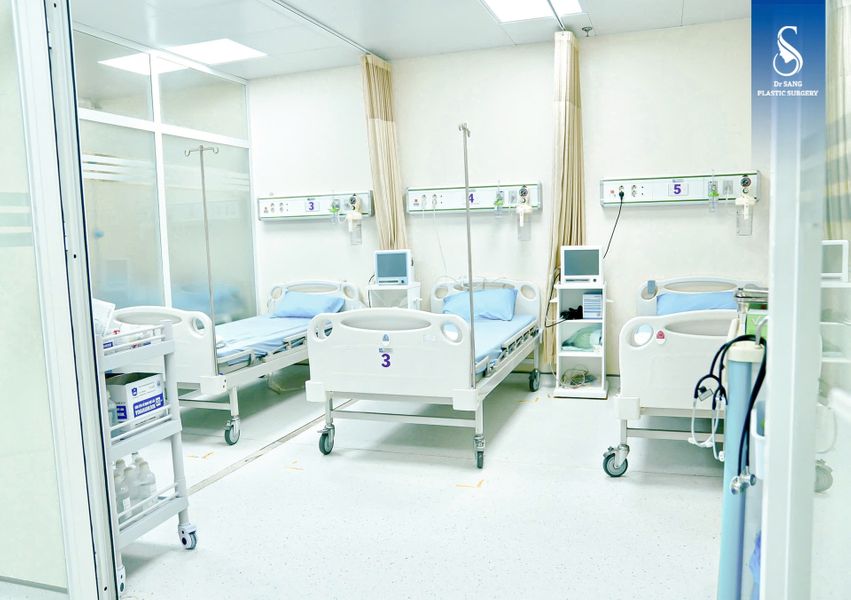
In addition, the tumescent technique using a diluted infiltration solution helps limit bleeding and supports pain control. Close monitoring of vital parameters during and after surgery, appropriate fluid replacement, and correct use of compression garments are essential links in ensuring safety. Most importantly, liposuction is a genuine surgical intervention that should be performed in an accredited hospital setting, not at a spa or an unlicensed facility.
Benefits of Correctly Determining How Many Liters of Liposuction Is Safe
Respecting the safe threshold offers several practical benefits:
- Reduces the risk of complications related to fluid and circulatory imbalance.
- A gentler recovery, with less prolonged fatigue after surgery.
- Natural body contours, with the skin given the opportunity to retract in harmony with the underlying frame.
- Limits the chance of an uneven or wavy skin surface caused by over-aggressive fat removal.
A personalized plan serves a sustainable aesthetic goal far better than chasing the largest possible volume.
Debunking the Myth: "The More Liters Removed, the More Worthwhile and the Slimmer"
This is a common misconception. The number of liters of fat removed is not a measure of success. The goal of liposuction is to reshape and balance body proportions, not to lose weight. Liposuction is also not a substitute for diet and exercise; if weight is regained, untreated areas may still accumulate fat. Removing fat beyond the safe threshold only increases risk without guaranteeing a better figure.
Medical Notes: Contraindications and Common Side Effects
Liposuction is unsuitable or requires careful consideration in cases of: severe cardiovascular disease, coagulation disorders, uncontrolled diabetes, liver or kidney failure, pregnancy or breastfeeding, active infection, and unrealistic expectations. This is why an honest medical history and complete pre-operative testing are mandatory.
After the procedure, some reactions are considered normal during the recovery period: swelling, bruising, a sensation of tightness or mild numbness in the treated area, and pinkish fluid seepage through the small incisions in the first few days. These signs usually subside gradually. However, if you develop a high fever, severe increasing pain, spreading redness and swelling, difficulty breathing or heavy bleeding, you should contact your physician immediately. Attending follow-up appointments on schedule allows for timely monitoring and management.
What Does the Cost Depend On?
The cost of a liposuction procedure is not fixed; it varies with the number of areas to be treated, the complexity of each area, the technique used, the operating time and the post-operative follow-up. At our unit, every line item is explained transparently after the examination, so you clearly understand what you are paying for before deciding.
Conclusion
There is no fixed answer to the question of how many liters of liposuction is safe; the right number is the one suited to your own body and health, established after examination and testing. Prioritizing safety and a personalized plan always delivers more sustainable results than chasing a large volume. Results vary by individual, and a direct examination is needed for accurate advice.
Register for a free consultation and individual screening with a specialist physician with Dr. Vo Thanh Sang, MD — Specialist Level I in Plastic and Aesthetic Surgery, with more than 15 years of experience, having accompanied over 12,000 patients; Head of the Plastic and Aesthetic Surgery Unit at World Wide Hospital. The doctor personally examines, advises and operates in an accredited hospital setting, with transparent costs.
Address: 244A Cong Quynh, District 1, Ho Chi Minh City. Hotline: 079 7479 222.