
Are Buttock Implants Safe? The Truth Doctors Rarely Tell
You dream of a fuller figure, yet you lie awake with one question: am I trading my health for beauty? The fear of implant displacement, infection, prolonged pain, or worse still, ending up in the hands of an under-qualified facility and "losing both money and well-being" is entirely legitimate. So, are buttock implants safe? The honest answer does not lie in advertising claims, but in technique, the facility where the procedure is performed, and how well it suits your own anatomy.
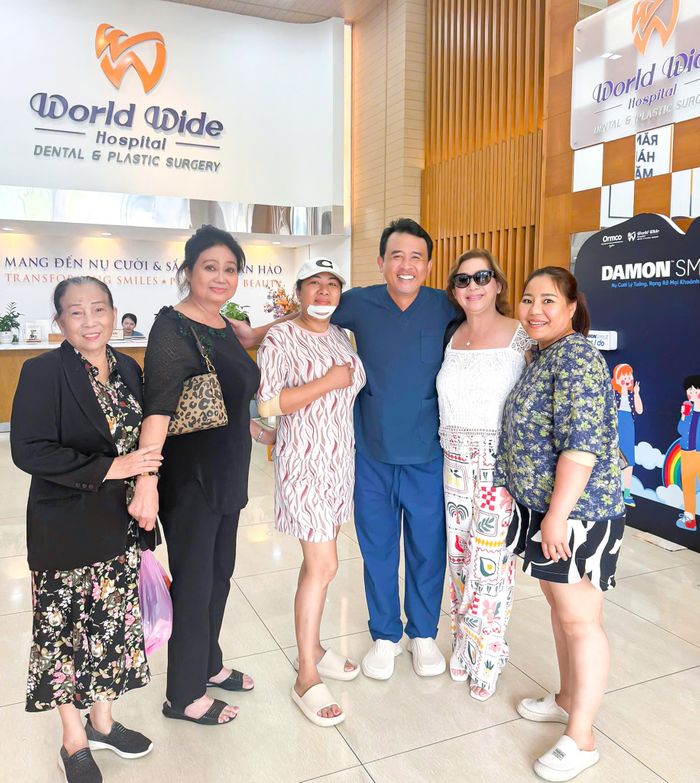
Are buttock implants safe when performed with proper technique?
From a scientific standpoint, buttock augmentation is a surgical procedure that places an implant (usually made of semi-solid silicone) into a pocket beneath or within the gluteal muscle to add volume and shape. The level of safety is not a fixed figure; it depends on three pillars: the surgeon's skill, the sterile environment of the facility, and the anesthesia and recovery protocol. When all three meet proper standards, this is an intervention that has been widely performed around the world.
The crucial element is the technique used to dissect the implant pocket. The pocket must be wide enough and at the correct anatomical layer so the implant sits stably, without compressing the sciatic nerve or major blood vessels. A surgeon formally trained in plastic surgery will control bleeding, place drains appropriately, and suture the tissue layers back together. This is why, for the very same question — "are buttock implants safe" — the outcome can differ entirely between a case done at a properly accredited hospital and one done "off the books" at a spa.
A qualified facility: the factor that defines the line of safety
Many serious complications, in truth, do not come from the implant itself but from the environment in which the procedure is performed. A sterile operating room, an air-filtration system, sterilized instruments, and especially an anesthesia and emergency recovery team are things a spa simply cannot provide. When something goes wrong (such as an anesthetic reaction or bleeding), only a hospital has the resources to respond in time.
That is why I always emphasize this principle: surgery at a hospital, not at a spa. At our unit, the doctor personally examines, advises, and performs the surgery, and does not delegate it to anyone without proper certification. Costs are made transparent from the very beginning, and the factors that affect cost (the type of implant, the complexity of the case, post-operative care services) are all explained clearly, rather than asking you to sign off on a vague figure.
Complications you should know before deciding
Honestly speaking, no surgery is entirely free of risk, and buttock augmentation is no exception. Understanding the potential complications is not meant to frighten you, but to help you actively prevent them and detect them early. Some situations to keep in mind include:
- Infection: the risk rises if the surgical environment is not sterile or if post-operative care is improper.
- Seroma and hematoma: fluid accumulating around the implant, requiring drainage and close monitoring.
- Implant displacement or exposure: usually related to an asymmetric implant pocket or moving too soon.
- Capsular contracture: scar tissue tightening around the implant, causing firmness or distortion.
- Nerve injury: causing temporary numbness, rarely prolonged when the dissection technique is precise.
Most of these complications can be significantly reduced by choosing the right surgeon, the right facility, and following the care instructions. An in-person examination allows the doctor to assess your tissue thickness, pelvic shape, and scar-healing tendencies in order to anticipate these risks.
Choosing the right buttock implant: safety begins with compatibility
A good implant must suit your body, not simply be the largest one. Choosing the wrong size or shape not only makes the buttock look less natural but also places pressure on the tissue, increasing the risk of displacement and exposure. When selecting, the doctor will consider:
- Implant volume and shape: balanced with the pelvic frame and your body proportions.
- The thickness of the existing gluteal tissue: thin tissue calls for a more cautious choice to cover the implant.
- Lifestyle and activity level: this affects implant placement (sub-muscular or intra-muscular).
An important principle: prioritize genuine implants with clear provenance. The breast implants our unit uses, such as Mentor or Motiva (the Ergonomix 2 line), are all genuine, FDA-cleared products, ensuring material quality and traceability. The same principle of material transparency applies to every implant option for you.
Debunking a myth: "buttock implants are done once and forgotten"
A common misconception is that, after the implant is placed, you don't need to do anything more. The reality is that an implant needs periodic monitoring, and proper post-operative care largely determines the outcome. Another myth is that "the bigger the implant, the more beautiful" — when in fact, an implant that is too large for the tissue increases the risk of complications and makes the buttock look unnatural. Lasting beauty comes from balance, not from maximum size.
Medical notes: who should not have buttock implants and which side effects are normal
Not everyone is a suitable candidate. Caution or postponement is needed for those who: have an infection in the buttock area or systemically; have an uncontrolled bleeding disorder; have diabetes or an unstable underlying condition; are pregnant or breastfeeding; or have unrealistic expectations about the results. Heavy smokers also need careful counseling because smoking affects the wound-healing process.
After surgery, some side effects are normal and will gradually subside: swelling, bruising, a sensation of tightness, mild numbness in the buttock area, and discomfort when sitting during the first few weeks. The important thing is to distinguish these from warning signs (high fever, rapidly increasing redness and swelling, abnormal discharge) so you can return for a follow-up immediately. It must be emphasized that results vary from person to person, so an in-person examination is needed for an accurate assessment.
Conclusion: safety is a choice, not a gamble
Returning to the original question — are buttock implants safe — the answer lies more in your hands than you might think. Safety does not come from luck; it comes from choosing the right specialist surgeon, the right accredited facility, and the implant suited to your own anatomy. When these three factors converge, the risks are kept as low as possible, and you can pursue the beauty you desire with peace of mind.
If you are still uncertain whether your anatomy is suitable, let us accompany you. Register for a free consultation and anatomical screening directly with a specialist surgeon to receive a plan that is safe, transparent, and best suited to you.
Dr. Vo Thanh Sang, Specialist Level I — Specialist Level I in Plastic and Aesthetic Surgery, with over 15 years of experience, Head of the Aesthetic Surgery Unit at World Wide Hospital. The doctor personally examines, advises, and performs surgery at an accredited hospital. Address: 244A Cong Quynh, District 1, Ho Chi Minh City. Hotline: 079 7479 222.